


Greenlife Industry Queensland continues to represent Queensland’s nursery and greenlife industry as planning progresses for the next phase of Australia’s fight against fire ants.
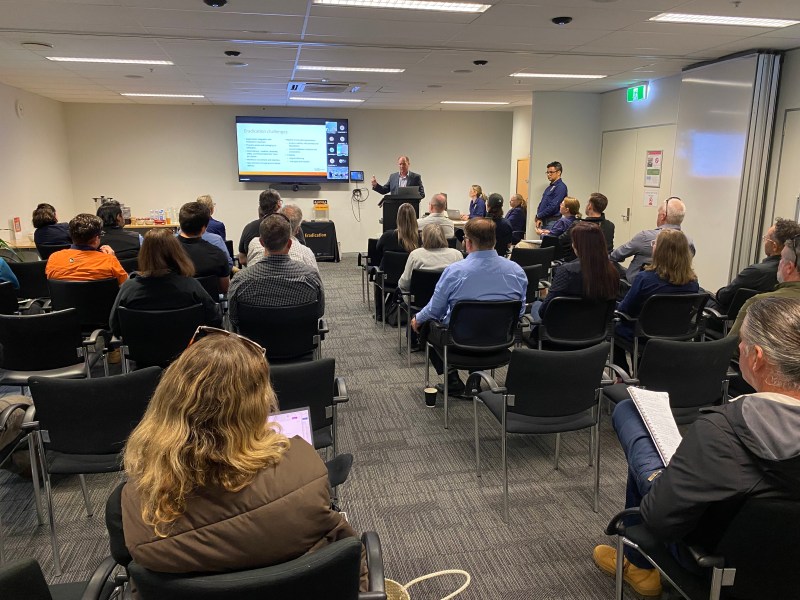
GIQ recently participated in the latest National Fire Ant Eradication Program (NFAEP) Industry and Government Collaboration Network meeting, which brought together government and industry representatives to discuss the future eradication strategy, recent program achievements, emerging carrier risks and community suppression efforts.
Through our ongoing engagement with NFAEP, GIQ is advocating for practical approaches that protect Queensland businesses, minimise unnecessary compliance burdens and support continued access to interstate markets, while contributing to the shared goal of eliminating fire ants from Australia.
At the meeting, NFAEP outlined the direction of the proposed 2027–2032 response, with the objective of completing planned eradication treatment by 2032.
Importantly, completing treatment does not necessarily mean Australia will be declared fire ant-free in 2032. Surveillance will need to continue for an extended period following treatment to provide confidence that eradication has been achieved.
The economic case for eradication remains significant. Information presented at the meeting highlighted that every $1 invested in eradication now could avoid more than $22.60 in future losses if fire ants are allowed to establish and spread.
Updates on the 2025–26 program also highlighted the continued transition of areas from suppression into eradication treatment. Surveillance will continue across treated areas as the Program works towards demonstrating freedom from fire ants.
A hybrid, risk-based approach is being used, recognising that different locations require different responses depending on factors including fire ant density, pathway risks and local conditions.
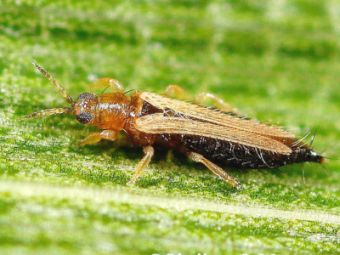
For nursery and greenlife businesses, one of the important discussions at the meeting was the risk posed by non-traditional fire ant carriers.
Our industry is already familiar with managing the risks associated with plants, soil, growing media and landscaping materials. However, fire ants can also be transported on items that have been stored on, or come into contact with, infested ground.
Potential carriers can include shipping and storage containers, pallets and palletised equipment, machinery and vehicles, construction equipment, portable buildings and structures such as portaloos, and other items that may carry soil or provide opportunities for fire ants to hitchhike.
Businesses can help reduce this risk by considering where equipment and materials have been stored, inspecting items before movement, removing accumulated soil and organic material where appropriate, and keeping machinery and equipment clean.
Particular attention should be given to items originating from areas with higher fire ant densities.
The Fire Ant Suppression Taskforce (FAST) also provided an update on community suppression activities, with results presented at the meeting showing an 86.4% reduction in nest counts following suppression using insect growth regulator (IGR) treatments.
Effective suppression helps reduce fire ant populations and pressure while eradication treatment progresses.
Continued participation from residents, businesses, industry and government therefore remains an important part of the broader eradication effort.
GIQ encourages all nursery and greenlife businesses to remain vigilant, understand the requirements that apply when moving fire ant carriers, and report suspected fire ants.
Industry participation is essential not only to the wider eradication effort, but also to protecting individual businesses and maintaining market access.
Long-term funding will also be critical as the National Fire Ant Eradication Program moves into its next phase. The Invasive Species Council is currently calling on Australian governments to secure uninterrupted, long-term national funding for the proposed 2027–2032 response.
Sign the petition to add your voice: Invasive Species Council – Finish the job on fire ants
Eradication remains achievable, but success will depend on continued collaboration between government, industry and the community.
GIQ will continue working closely with the National Fire Ant Eradication Program to ensure the nursery and greenlife industry has a strong voice in that process and access to practical information and support as the response evolves.



 Greenlife Industry Qld